Why Jiu-Jitsu Gis Smell So Bad (And Why Regular Detergent — and DIY Soaks — Often Fail)
You wash your gi. It smells clean. You start rolling.
And halfway through class, the odor comes back.
If you train consistently, this cycle is common.
The reason is simple: combat sports gear is uniquely built to trap odor at the fiber level, and most household laundry solutions were never designed for that environment.
Let’s break down what’s actually happening — and why common fixes only go so far.
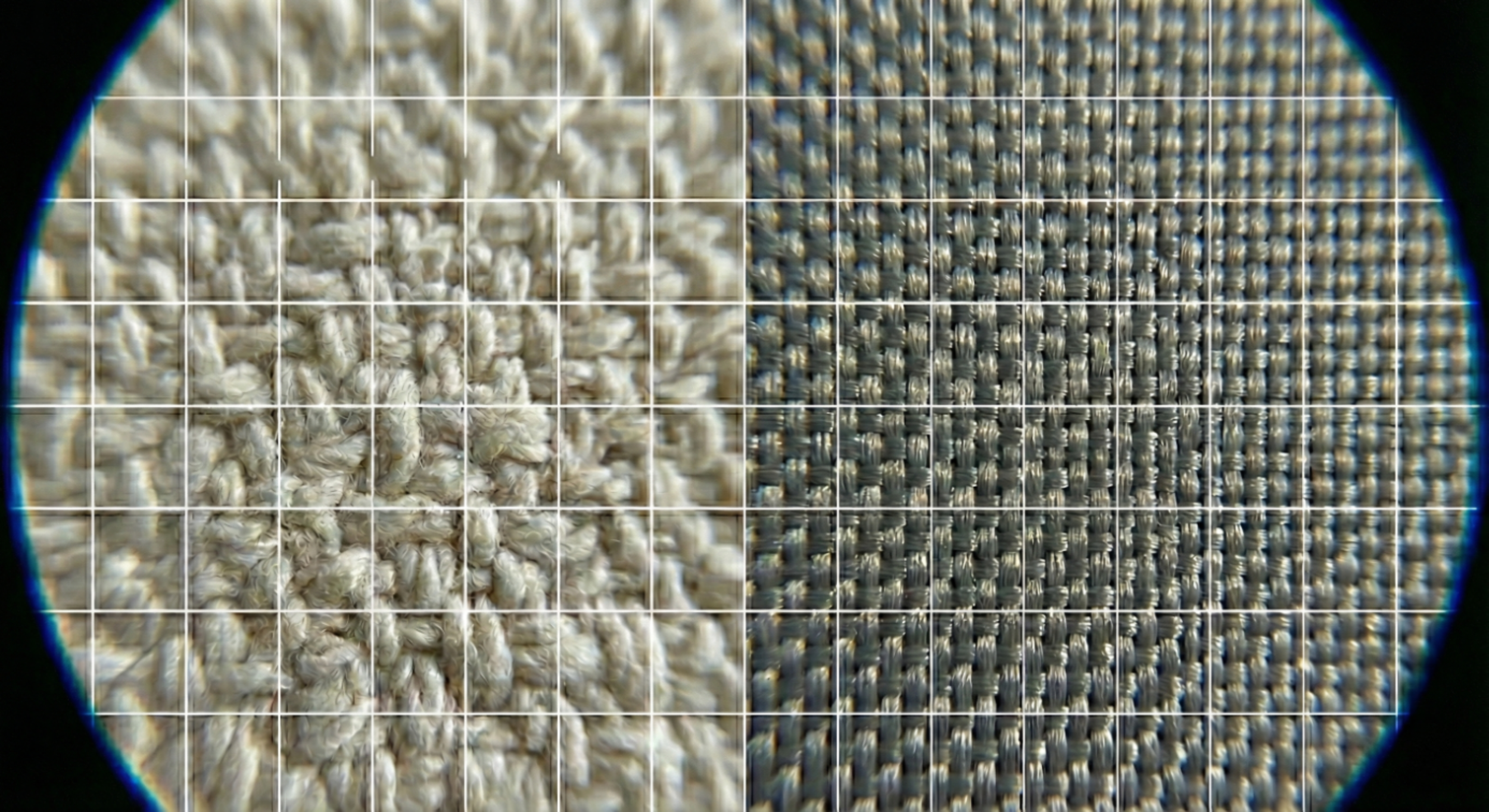
Gi Cotton is thick and locks in odors. Rash guard fiber is synthetic and tightly woven, retaining oils that trap odors
1. Thick Cotton Gis Trap Sweat and Oils Deep in the Weave
High-quality BJJ gis use dense pearl weave or gold weave cotton. That density is excellent for durability and grip resistance — but problematic for odor.
Cotton fibers absorb:
Sweat
Skin oils
Bacterial byproducts
Dead skin cells
Over time, these compounds embed deeply into the structure of the fabric. A standard wash cycle often cannot penetrate that buildup completely, especially once it accumulates over months of training.
Your gi may smell fine when dry because surface odor is reduced. But deep within the fibers, residues remain.
When heat and moisture return during rolling, those compounds reactivate.
2. Rashguards Create a Different Odor Problem
Synthetic fabrics like polyester and elastane do not absorb sweat the same way cotton does.
Instead, they bind strongly to body oils.
That bond is why rashguards often:
Smell fine dry
Reactivate instantly when reheated by sweat
Retain odor even after multiple washes
The issue is not surface dirt. It is oil-based residue chemically clinging to synthetic fibers.
3. Why Regular Detergent Isn’t Enough
Most grocery-store detergents are formulated for:
Everyday clothing
Light soil
General household odor
They are not engineered for:
Repeated heavy sweat saturation
Dense cotton weave
Oil-binding synthetic compression fabrics
Constant friction training environments
Standard detergent primarily lifts surface soil. It often does not fully break down embedded sweat oils and organic buildup responsible for recurring odor.
That is why gear can seem clean — but smell again under pressure.
What About Vinegar, OxiClean, and Other DIY Soaks?
Most athletes eventually experiment with alternative solutions before considering a specialized product. Some of these methods can help temporarily. But understanding their limitations is important.
White vinegar is mildly acidic. It can:
Neutralize certain alkaline odors
Help dissolve mineral residue
Reduce surface-level smell
However, vinegar has limitations:
It does not effectively break down heavy sweat oils
It does not target embedded organic buildup
Repeated acid exposure can contribute to gradual cotton fiber weakening
Overuse may affect fabric feel and long-term durability
There is no strong evidence that vinegar “tightens” a weave in a structural sense, but repeated acidic soaks combined with mineral interactions may alter how fibers behave over time.
Most importantly: vinegar neutralizes some odors. It does not comprehensively remove sweat oil residues that cause reactivation during training.
Oxygen Boosters (OxiClean-Type Products)
Oxygen-based cleaners excel at:
Stain removal
Whitening
Brightening fabric
They function through oxidation.
But combat sports odor is not primarily a staining issue. It is a sweat oil and organic residue issue.
Oxidation may reduce odor temporarily, but it does not specifically target the fatty acid buildup embedded deep in dense cotton or bonded to synthetics.
The result:
Brighter fabric
Some odor reduction
Persistent reactivation when sweating again
Laundry Sanitizers
Sanitizers reduce bacteria.
That can help. But even when bacteria are reduced, odor molecules already bonded to the fabric can remain.
Eliminating microbes does not automatically eliminate the compounds they produced.
This is why sanitized gear can still reactivate odor under heat.
The Real Difference: General Cleaning vs Targeted Restoration With Selvage Labs
Soaking alone is not the solution.
The chemistry of the soak is what matters.
Combat sports gear needs:
Sweat oil breakdown
Deep fiber penetration
Time for active ingredients to loosen buildup
Compatibility with dense cotton and synthetic compression fabrics
A targeted system designed specifically for combat training environments approaches odor differently than general household products.
The goal is not temporary neutralization.
The goal is reducing embedded buildup so that reactivation is minimized during future training sessions. You need a product engineered specifically to loosen the the thick & dense cotton or synthetic fibers, then scrounge around for the odor molecules, precipitate them out, then treat the cloth to make it more difficult for odor molecules to cling again.
Why Selvage Labs Was Built Differently
Selvage Labs developed a soak specifically for combat sports athletes.
It is designed to:
Break down sweat oil residues
Loosen embedded organic buildup
Penetrate dense pearl weave cotton
Address synthetic compression fabric odor challenges
Support long-term gear longevity
This is not a general laundry booster.
It is built for grappling environments.
If you are serious about restoring your training gear — not just masking odor — a targeted approach makes the difference.
Selvage Labs Gi & Rash Guard Restore Kit
Restore your gear properly.
Train fresh.
Roll with confidence.