Stop Using Fabric Softener on Your Gi (Here's What It's Actually Doing to Your Gear)
It's one of the most common gi care mistakes in the sport — and it makes sense why people do it. Your gi comes out stiff after washing, a little rough, and fabric softener seems like the obvious fix. It makes everything feel softer and smell better, right?
The problem is what fabric softener does to your gear over the long term: it degrades the fabric, traps odor-causing bacteria, and turns your gi into a permanent funk factory — all while making it feel luxuriously soft in the short term.
Here's the full breakdown of why nearly every major BJJ brand explicitly warns against fabric softener, and what's actually happening at the fiber level when you use it.
How Fabric Softener Actually Works
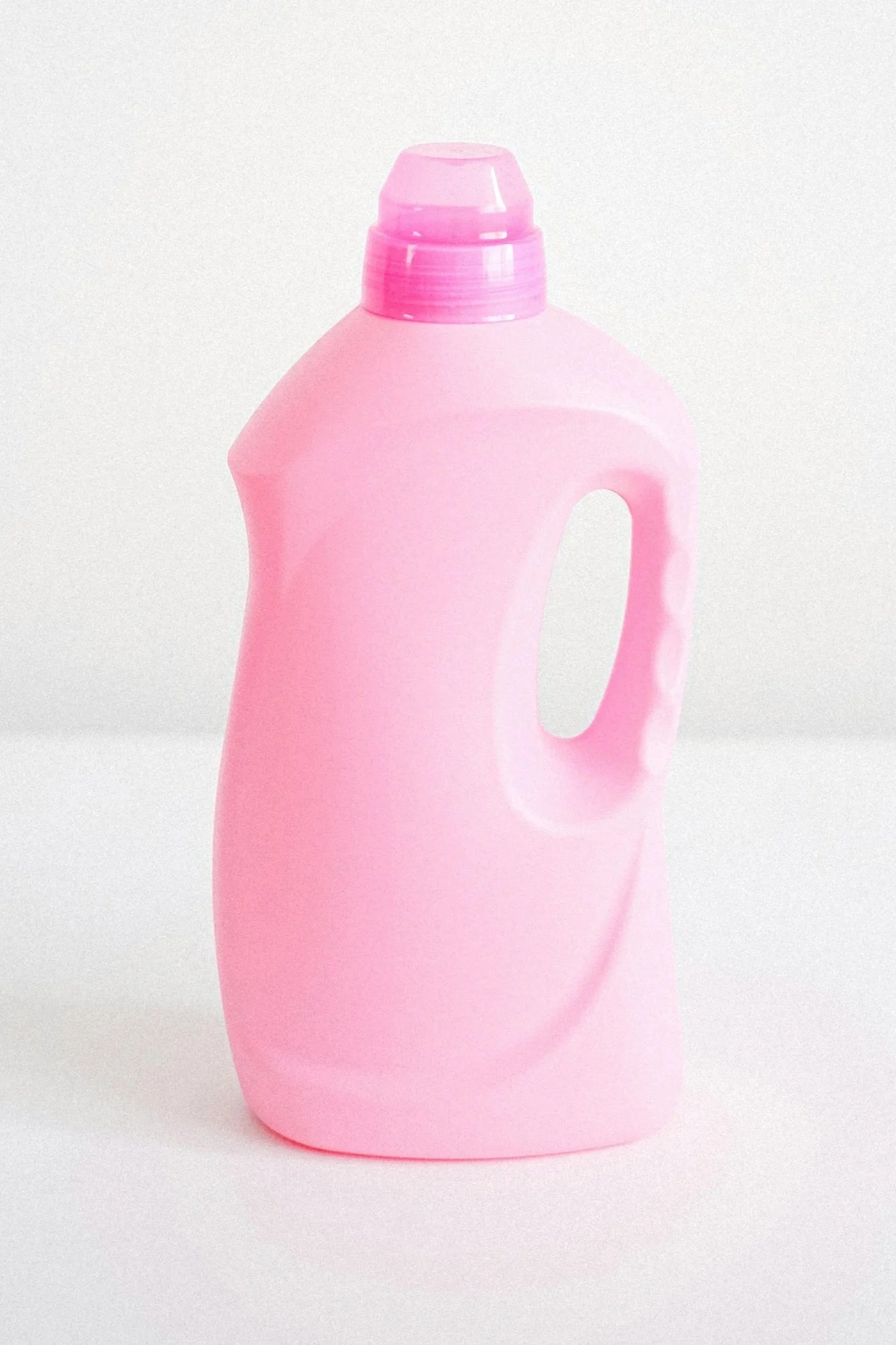
Fabric softener doesn't literally soften fabric fibers. What it does is coat them with a thin layer of lubricating chemicals — primarily cationic surfactants (quaternary ammonium compounds), fatty acids, and emulsifiers. This coating reduces friction between fibers, which is what makes fabric feel softer and reduces static.
That coating stays on your fabric between washes. It's designed to. That's the whole mechanism.
On a t-shirt or bed sheet, this is mostly harmless. On a gi or rashguard that you're training in multiple times a week under intense sweat and body contact conditions, that coating is a serious problem.
What That Coating Does to Your Gi
1. It Traps Bacteria and Locks In Odor
The fatty, waxy coating that fabric softener deposits on your gear fibers creates an ideal environment for odor-causing bacteria to grip and colonize. The bacteria that cause that deep, embedded gi funk — micrococci and similar microorganisms — thrive in organic residue.
Fabric softener gives them a home. As one widely-cited BJJ laundry resource puts it, fabric softener "actually locks in the 'stink' and makes it tougher to get out." The BJJ gear brand Gaidama echoes this directly: fabric softeners "might help temporarily cover up smells, but they're also creating a protective forcefield around unwanted bacteria."
This is why gis that are regularly washed with fabric softener tend to develop a permanent odor problem that gets worse over time rather than better — the bacteria are being protected, not eliminated.
2. It Breaks Down the Fabric Itself
Multiple major BJJ brands — including Easton BJJ, RVCA, Elite Sports, and Novakik BJJ — explicitly warn against using fabric softener on gis. Easton states directly that "fabric softener and bleach will break down the fibers of your gi, making it thinner and weaker." RVCA's care guide warns that these chemicals can make gi fabric "susceptible to tears or holes at the seams."
The repeated coating of cotton weave fibers with cationic surfactants interferes with the fiber's natural structure. Over time, the protective coating can actually overdry fibers when heat is applied, accelerating wear and reducing tensile strength. For a gi that needs to withstand grip-fighting, takedowns, and constant friction pressure, this is a material problem — not just an aesthetic one.
3. It Destroys the Performance Properties of Rashguards and Spats
For your polyester/spandex no-gi gear, fabric softener is even more damaging. Rashguards and spats rely on moisture-wicking technology — the ability of synthetic fibers to move sweat away from your skin. Fabric softener's coating clogs the microscopic structures in these fibers that enable wicking.
As Elite Sports' care guidelines note, fabric softener "can damage the moisture-wicking properties" of rashguards. The coating fills the gaps and channels in the weave that allow moisture transport. Once those properties are degraded, your rashguard stops performing as designed — it holds moisture against your skin instead of wicking it away, which creates exactly the warm, wet environment where bacteria multiply fastest.
4. It Leaves a Residue That Defeats Your Detergent
Each wash with fabric softener deposits another layer of coating on your fabric. Over time, this residue buildup reduces your detergent's ability to actually penetrate the fiber and lift out sweat, oils, and bacteria. Your detergent is essentially fighting through the softener's protective coating to reach the fabric — and increasingly, it loses that battle.
This is why gis and rashguards that have been washed with fabric softener for months often seem like they "won't come clean" no matter what detergent you use. The first step to fixing this problem is stripping the softener residue out of the fibers entirely.
The Stiffness Problem — and the Real Solution
The reason people reach for fabric softener in the first place is usually gi stiffness. A freshly washed cotton gi can feel like cardboard, especially after air drying. This is a real and valid complaint. But fabric softener solves it by masking the symptom at the cost of gear health.
The actual solution to gi stiffness is a soak-and-rinse approach that breaks down mineral buildup and detergent residue — the real causes of post-wash stiffness — without coating the fibers with a bacteria-trapping film. White vinegar in the rinse cycle is a commonly recommended first step. For deeper residue buildup, an enzyme-based powder soak is more effective, breaking down the organic and mineral compounds that cause stiffness at the source rather than coating over them.
Soft gear that reeks is not clean gear. The goal is fabric that has been actually cleaned, not coated into submission.
What to Use Instead
Skip fabric softener entirely on all your BJJ gear. Here's what actually works:
• Cold water wash immediately after training — bacteria are still mobile and easier to remove before they colonize the fiber
• Enzyme-based detergents or soaks that break down protein and lipid odor compounds (sweat, skin oils, blood)
• Sodium percarbonate-based oxidizers (oxygen bleach) that neutralize bacteria without harming fabric
• White vinegar in the rinse cycle as a natural softening agent that also breaks down mineral deposits
• Air dry away from direct sunlight to preserve fiber integrity and elasticity
If your gear is already deep in a fabric softener funk cycle — stiff in some spots, permanently musty, not responding to normal washing — the fix is a targeted strip soak to break down the accumulated residue layer before returning to a clean wash routine.
The Short Version for Gi Care Labels
• No bleach
• No fabric softener
• No dryer sheets
• Cold water wash
• Enzyme-based detergent or powder soak
• Air dry
That's the entire protocol. Everything else is either damaging your gear or creating conditions for bacteria to win.
GRPL Soak is formulated as a pre-wash powder soak for combat sports gear — built to strip residue, eliminate odor at the source, and reset even the most aggressively funked-out gis and rashguards. No fragrance cover. No fiber-coating chemistry. Just clean.