Why Scent Booster Beads Are Making Your Gi Smell Worse (Not Better)
You wash your gi. You toss in those colorful scent booster beads — the ones that promise weeks of freshness. Your gi comes out of the dryer smelling like a spring meadow. You're confident. You go to training.
Then you break a sweat. And somehow, fifteen minutes into drilling, the funk is back — worse than ever.
Sound familiar? You're not imagining it. There's a chemistry reason why in-wash scent boosters and laundry beads actively make gi funk worse over time. Here's what's actually happening to your gear.
What Scent Booster Beads Actually Are
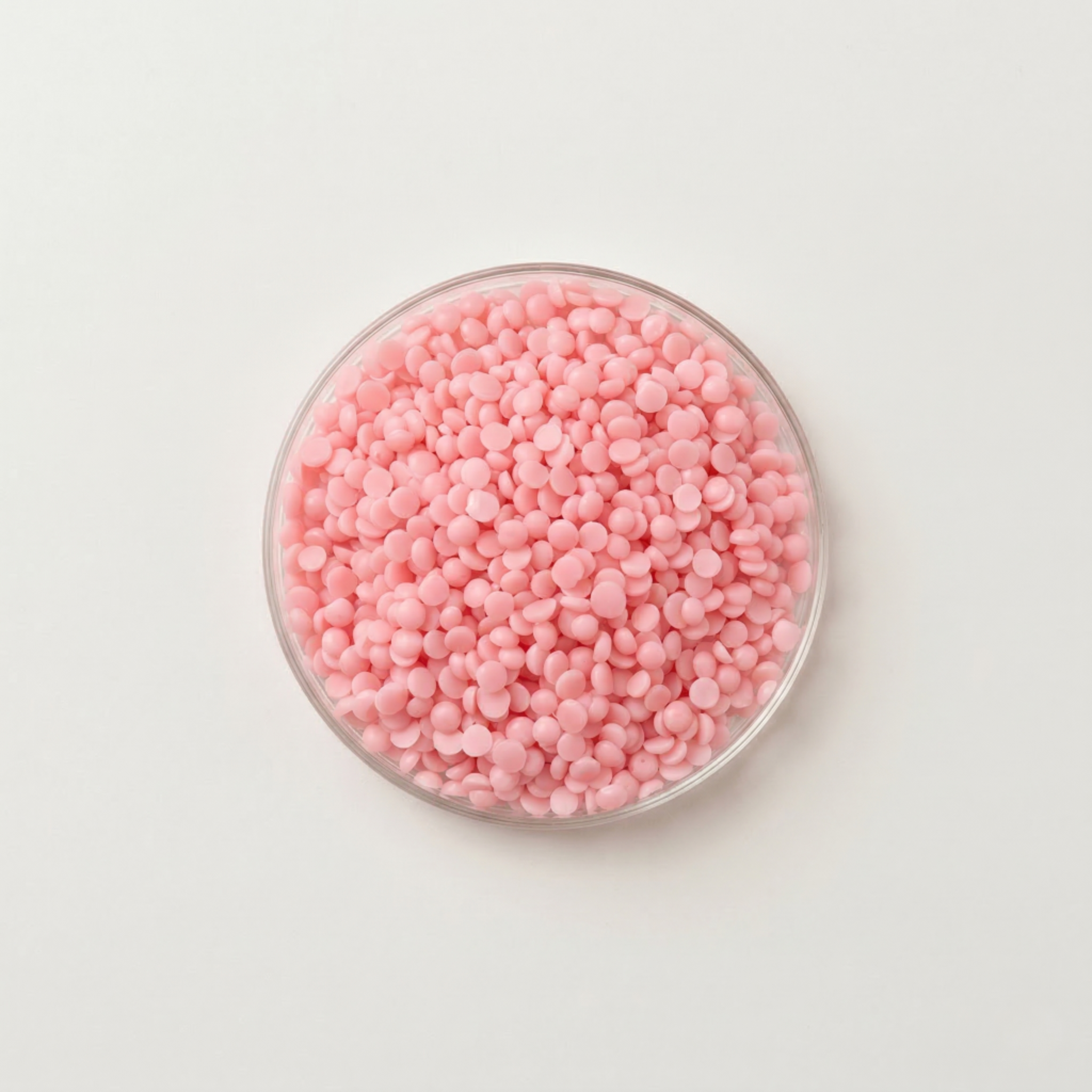
Scent beads may provide your gi/rashguards short-term benefits, but they don’t fight the underlying odor.
Products like Downy Unstopables, Gain Fireworks, and Purex Crystals are marketed as odor fighters, but they are not cleaners. They are fragrance delivery systems built on a wax and oil-based carrier — typically polyethylene glycol and fragrance microcapsules — designed to coat your fabric fibers and release scent over time.
The key word there is coat. These beads work by depositing a film onto your fabric. That's what makes the scent last for weeks. But that same film is exactly why your gi ends up smelling like a locker room the moment you start sweating.
The Wax Residue Problem on Technical Fabrics
Gis, rashguards, and spats are made from fabrics that are already prone to trapping odor — particularly the polyester and spandex blends found in no-gi gear. These synthetic fibers attract greasy substances like body oils, which provide a food source for odor-causing bacteria (specifically micrococci) that survive wash cycles and re-activate when you sweat.
When you add scent beads to that equation, you're layering a wax and oil residue on top of fibers that are already struggling to release odors. That residue:
• Creates a film that physically traps bacteria against the fiber
• Masks odor temporarily with fragrance — making you think the gear is clean when it isn't
• Builds up with each wash, making it progressively harder for your actual detergent to penetrate and clean the fabric
• Provides an additional organic substrate that bacteria can colonize
As one independent laundry researcher put it, scent beads "mask this problem temporarily, but they don't solve it — in fact, they add their own residue." On everyday clothes, this isn't a big deal. On gear you're actively sweating through for two hours, it's a cycle that compounds every single wash.
The smell you notice at the start of a roll? That's the fragrance. The smell that takes over by the second round? That's the bacteria that have been hiding under it.
Why Your Gi Smells Fine From the Dryer But Funks Out on the Mat
This is the tell-tale sign of a scent-masking problem rather than actual odor elimination. Fresh scent beads deposit fragrance that temporarily overpowers the smell of bacteria. Heat from the dryer activates and intensifies the fragrance further. So you pull a "fresh" gi out of the dryer and it smells clean.
But the moment you sweat, two things happen simultaneously: the fragrance is overwhelmed by new sweat, and the heat and moisture re-activate the bacteria that were never actually eliminated — just covered. The wax residue coating those fibers doesn't wash away with the bacteria; it stays, gives the bacteria something to grip, and the cycle repeats and deepens with every wash.
This is why gear that's been washed with scent beads for months often develops a permanent, embedded funk that feels impossible to eliminate — because the residue buildup has essentially created a bacterial habitat inside the fabric itself.
What Works Instead: Eliminating Odor at the Source
The answer to gi funk isn't stronger fragrance — it's breaking down the organic matter (dead skin cells, body oils, sweat proteins) that bacteria feed on. That requires:
• Enzyme-based soaks that digest protein and lipid-based odor compounds at the molecular level
• Oxidizing agents (like sodium percarbonate) that neutralize odor-causing bacteria without coating the fabric
• Chelating agents that strip mineral and oil buildup from fibers, restoring the fabric's ability to clean properly
• Surfactant systems designed to lift odor-causing residue out of tight weave patterns rather than coat them
That's the formulation philosophy behind GRPL Soak — a powder soak system built specifically for the demands of combat sports gear. No fragrance cover-up. No wax carrier residue. Just a targeted enzymatic and oxidizing system that attacks the actual cause of gi funk instead of perfuming over it.
Quick Checklist: Signs Your Gi Is in a Scent-Bead Funk Cycle
• Gi smells fresh from the dryer but funks out within minutes of training
• The odor seems to be getting worse despite regular washing
• You can detect a faint chemical or floral smell underneath the sweat smell
• Your detergent doesn't seem to be working as well as it used to
• Your rashguards feel slightly waxy or slick to the touch after drying
If any of these sound familiar, the fix isn't more scent beads — it's a proper enzyme soak to strip the residue that's been building up and reset your gear.