The Dryer Is Making Your Gi Stink. Here’s What to Do Instead.
There’s a reason your gi smells clean when you fold it but funks out the moment you break a sweat. A big part of that reason is sitting in your laundry room — and you’ve been trusting it to do a job it’s actively making worse.
The clothes dryer is one of the most overlooked causes of persistent gi and rashguard odor. Not because it doesn’t work hard — it does. But because heat and synthetic combat sports fabrics interact in a way that locks odors deeper into the fiber with every cycle. Understanding that mechanism, and what to do instead, is the difference between gear that smells okay and gear that genuinely gets clean.
What the Dryer Is Actually Doing to Your Gear
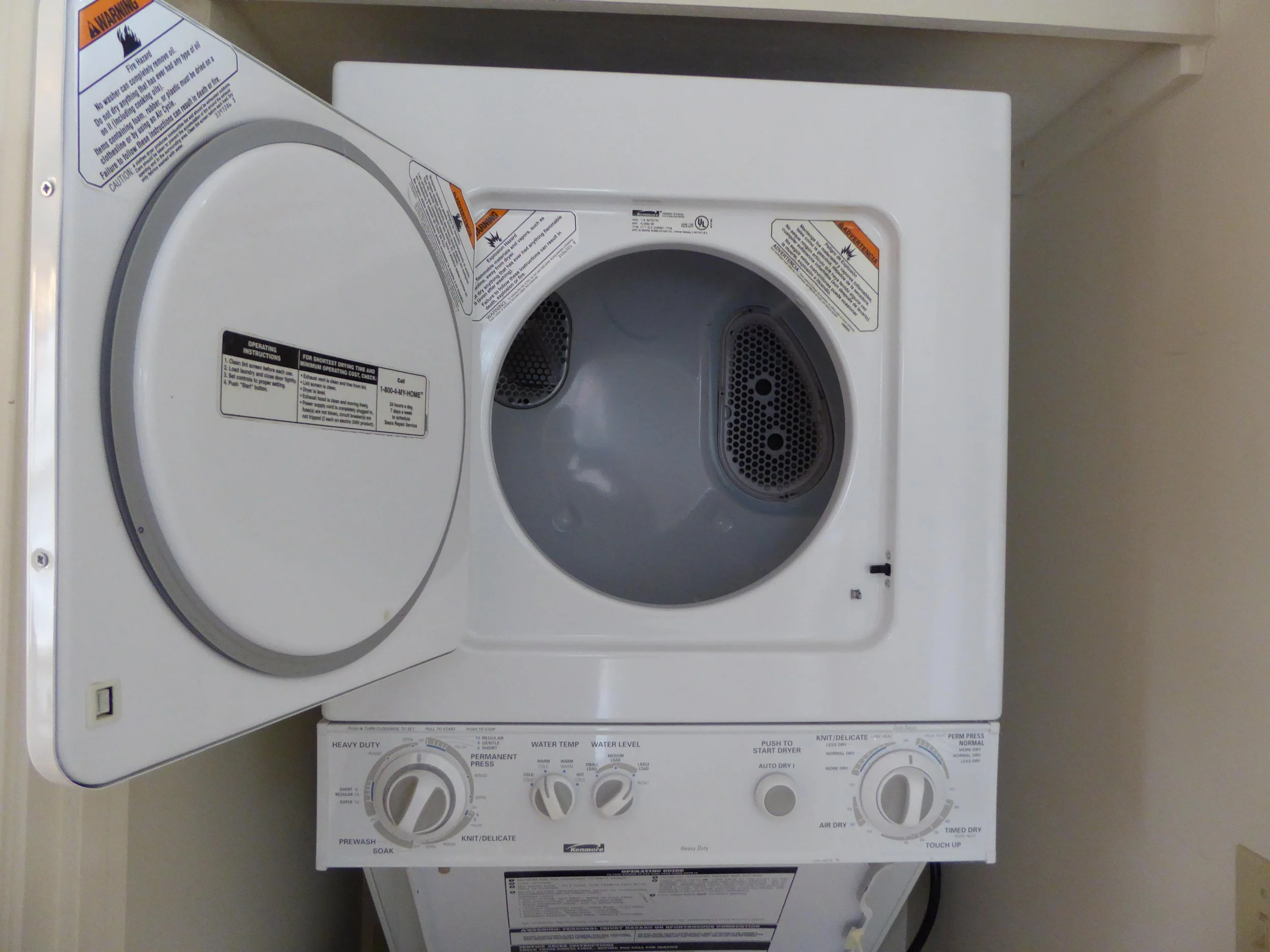
Drying your combat sports gear may be doing more harm than good.
If you have the time, gis, rashguards, and fight shorts end up smelling better and lasting longer if you air dry. Bonus points if you get sun exposure.
The sweat that soaks your gi during training is mostly water — but it also carries proteins, salts, and body oils that serve as food for odor-causing bacteria. Those bacteria produce the volatile compounds that create that deep, embedded gym smell. When your gear goes into a hot dryer, the heat doesn’t just dry the fabric. It acts on any residual organic matter that washing didn’t fully remove.
Here’s the problem: heat denatures proteins. The same way cooking solidifies an egg, dryer heat bonds residual sweat proteins and oils deeper into synthetic fiber structures — particularly the polyester and spandex blends used in rashguards, spats, and no-gi shorts. Once those proteins are heat-set into the fiber, they become significantly harder to remove in future washes. They also become a more stable food source for bacteria, which means every subsequent training session adds to the problem on top of an already-compromised baseline.
Multiple certified trainers and laundry professionals who work specifically with activewear describe this the same way: high dryer heat “locks in” or “bakes in” odors on synthetic fabrics. TOG24’s gear care guide states directly that tumble dryers “wear fabrics down and lock in odours.” The activewear brand Tripulse warns to “avoid using a dryer, as high heat can lock in smells and degrade the fabric over time.”
If your gi smells clean from the dryer but funks out after ten minutes on the mat, the dryer didn’t actually clean it — it sealed the problem in.
There’s a secondary dryer problem that makes this worse: gear that finishes a cycle and sits in a pile inside a warm, closed drum. A laundry professional quoted in NBC News explained that “sometimes machines don’t get clothes all the way dry, and then they sit in a hot, moist pile” — creating conditions for bacterial regrowth even after the cycle ends. Bacteria, as one expert noted, feed off heat and darkness. A stopped dryer drum is both.
Beyond odor, heat progressively breaks down the elastic fibers in synthetic gear. Spandex and Lycra degrade under repeated high heat exposure, which is why rashguards and spats lose their compression fit over time — and why gear used for several years with regular dryer cycles loses its feel and performance faster than gear that’s been air dried.
The Case for Air Drying: More Than Just “Being Gentle”
Air drying isn’t just the safe, conservative option you choose when you’re being careful with your gear. There are active benefits to air drying that go beyond simply not damaging the fabric.
It Lets Odor Compounds Escape Instead of Bonding
When gear dries slowly through evaporation rather than heat, volatile odor compounds — the gases produced by bacteria breaking down sweat residue — have the opportunity to dissipate into the air rather than getting driven deeper into the fiber. The process that allows fabric to “air out” is real and measurable: airflow across wet fabric carries volatile organic compounds away from the material rather than sealing them in under thermal pressure.
This is why gear that air dries in a ventilated space will often smell noticeably less funky than the same gear dried in a machine — even before any UV or bacteria-killing effects come into play. The smell that lingers is smell that was never given a chance to leave.
It Preserves Fabric Performance Across the Life of Your Gear
Every training-specific feature of a rashguard — moisture-wicking, compression retention, stretch recovery — is built on the elastic structure of synthetic fibers. Heat is the main enemy of those structures. Air drying extends the functional life of your gear significantly, particularly for items washed multiple times per week.
For gi jackets and pants, air drying also prevents the shrinkage that can make a well-fitting gi progressively tighter after repeated hot cycles. Once a gi has been shrunk to size, air drying is the only reliable way to lock in that fit permanently.
It Avoids the Warm-Pile Problem
A gi hung on a drying rack or line dries continuously until completely dry, with airflow circulating around every surface. There is no hot, dark, enclosed environment for residual bacteria to exploit. The gear goes from wet to dry to ready without any intermediate phase where conditions favor bacterial growth.
Sun Drying: The Strongest Option
If air drying is the baseline best practice, sun drying is the upgrade — and the science behind why is well-established.
Sunlight contains ultraviolet radiation, and UV light is a documented natural antimicrobial. UV radiation disrupts bacterial and fungal DNA, rendering microorganisms inactive. This is the same principle behind UV sterilization in clinical and water treatment settings. Applied to laundry, the UV in direct sunlight provides a passive antibacterial treatment that no indoor drying method can replicate.
A peer-reviewed study published in Applied and Environmental Microbiology (a journal of the American Society for Microbiology) confirmed that drying clothes in the outdoor environment can reduce microorganism counts through UV exposure from sunlight. Research on UV-C light has demonstrated reductions of Staphylococcus bacteria by up to 99.9% in controlled exposures. The UV in outdoor sunlight is primarily UVA and UVB — less intense than clinical UVC — but multiple studies confirm meaningful bacterial reduction with adequate outdoor exposure time.
The BJJ community has used sun drying as a funk-prevention technique for years. The science backs it up — UV kills the bacteria that cause gi odor, passively, for free, every time you hang gear outside.
Sun drying also delivers the full air-drying benefit simultaneously — no heat, continuous airflow, full evaporation of volatile odor compounds — while adding the UV antibacterial layer on top. It’s the combination of benefits that makes experienced grapplers and wrestling coaches swear by it.
What to Know About Sun Drying (Honest Caveats)
Sun drying is effective, but there are a few things worth knowing to get it right:
• Gear must dry completely. If humidity is high and gear stays damp, you lose the antibacterial benefit and potentially create better conditions for bacterial growth. Partial drying in a muggy environment is not beneficial.
• UV doesn’t penetrate deeply through thick fabric layers. For gi jackets, turn the gear inside out or flip it partway through to give both sides direct sun exposure.
• Direct sunlight required. UV through a window is largely blocked by glass. The gear needs to be outside in direct sun, not indirect light or shade.
• Extended daily UV exposure can fade colors over time. For a few hours of periodic sun drying, color fading is negligible. Leaving colored gear in direct sun for hours every day will eventually affect the fabric dye. Use reasonably.
• Pollen and allergens. Relevant for people with severe allergies — outdoor drying exposes gear to whatever’s in the air. Minor consideration for most, but worth noting.
For most grapplers training multiple days per week, sun drying two to three times per week when conditions allow is ideal. Indoor air drying with ventilation is the standard fallback. The dryer goes last in the priority order, and if you use it, the lowest heat setting with immediate removal (before the pile sits warm) is the least harmful option.
How This Fits Into a Complete Gear Care Routine
Drying method is one piece of the system. The other critical variables:
WASH TIMING
The single biggest odor prevention factor is how quickly you wash after training. Bacteria colonize wet gear rapidly — within hours. If an immediate wash isn’t possible, pulling gear out of the bag and hanging it to air dry prevents the anaerobic bacterial buildup that makes delayed washing much harder to undo.
WATER TEMPERATURE
Cold water is correct for synthetic gear. Hot water sets sweat proteins into fiber the same way dryer heat does — a point made by the laundry professional Muffetta Krueger and confirmed by multiple activewear care guides. Cold water keeps proteins mobile and removable; hot water bonds them.
DETERGENT AND SOAK CHEMISTRY
Standard household detergents were formulated for cotton. They don’t penetrate the tight weave structures of polyester and spandex the way enzyme-based or sport-specific formulations do. For gear with embedded odor — gear where normal washing isn’t cutting it — a pre-wash enzyme soak is the most effective intervention. Enzymes digest the protein and lipid-based organic compounds that bacteria feed on, breaking the odor cycle at the source rather than masking it.
STORAGE
Never store gear while damp or compressed. Gear that goes back into a bag wet, or sits folded before it’s fully dry, enters the ideal bacterial growth environment: warm, moist, dark, and anaerobic. Hang gear in a ventilated space until it is completely dry before storage.
The Priority Order for Drying Combat Sports Gear
1. Sun + air dry (outside, direct sunlight, ventilated) — best option when conditions allow
2. Indoor air dry (drying rack, ventilated room, away from radiators) — standard best practice
3. Dryer on lowest heat setting, remove immediately when done — acceptable when pressed for time
4. Hot dryer, gear left sitting in the drum — avoid
This isn’t about being precious with your gear. It’s about not undoing the work of washing it. Every step in the drying process either helps your gear get clean or works against it.
GRPL Soak is a pre-wash powder & enzyme soak formulated for combat sports gear — designed to break down the organic residue that drying methods alone can’t touch. Pair it with an air dry and you’re working the problem from both ends.